Red Light Therapy Benefits: How Healing Light is Transforming Wellness at Home
Wednesday, November 19, 2025
Red Light Therapy Benefits
How Healing Light is Transforming Wellness at Home
What Is Red Light Therapy?
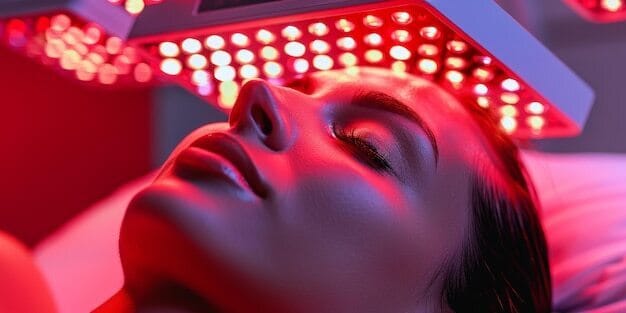
Red light therapy (RLT), also known as low-level laser therapy (LLLT) or photobiomodulation, is one of the most exciting frontiers in natural health and home wellness. It uses specific wavelengths of red and near-infrared light to stimulate cellular repair, reduce inflammation, and improve circulation.
Originally developed by NASA to promote wound healing in space, red light therapy has since moved from labs and clinics to home-use devices. This makes the healing power of light accessible to anyone.
For wellness beginners and aspiring biohackers, red light therapy offers a simple, non-invasive way to support the body’s natural healing processes right from the comfort of home.
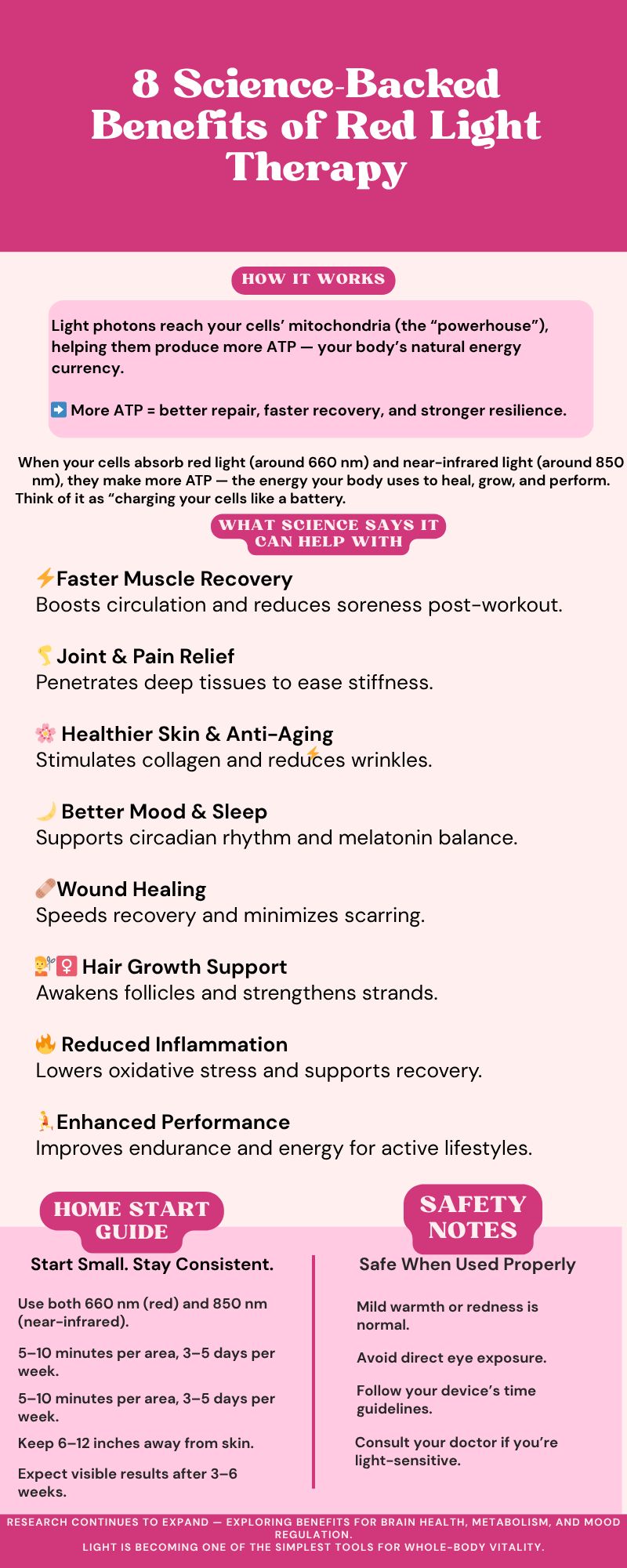
How Red Light Therapy Works
Every cell in your body has a “powerhouse” called the mitochondrion. These mitochondria generate energy in the form of ATP, which fuels nearly every biological process including healing, repair, and regeneration.
When your cells are exposed to red and near-infrared light (typically between 600–900 nm wavelengths), the photons are absorbed by cytochrome c oxidase, an enzyme within the mitochondria. This absorption increases ATP production, improves oxygen utilization, and enhances overall cellular performance.
In simple terms: red light gives your cells more energy to do their jobs better.
8 Proven Red Light Therapy Benefits
Let’s look at some of the best-documented and most talked-about red light therapy benefits, supported by both research and everyday users.
1. Faster Muscle Recovery: Studies show that RLT can reduce muscle soreness and speed up recovery after exercise by improving circulation and reducing oxidative stress.
2. Joint and Pain Relief: Red and near-infrared light can penetrate deep into tissues, easing joint stiffness and chronic pain, especially in the knees, shoulders, and lower back.
3. Healthier Skin and Anti-Aging Effects: One of the most visible benefits: smoother skin. RLT stimulates collagen and elastin production, reducing fine lines, wrinkles, and redness. It’s even used to calm conditions like rosacea and acne.
4. Improved Mood and Sleep: Regular exposure to red light (especially in the morning or evening) can help regulate circadian rhythms, improve melatonin production, and enhance overall mood balance.
5. Wound Healing and Tissue Repair: Hospitals and dermatologists have long used red light therapy to accelerate wound closure, minimize scarring, and encourage faster post-surgery recovery.
6. Hair Growth Support: Low-level light exposure can stimulate hair follicles, making it a natural option for those experiencing thinning or hair loss.
7. Reduced Inflammation: Chronic inflammation contributes to many modern health problems, from fatigue to aging. RLT helps reduce oxidative stress and systemic inflammation at the cellular level.
8. Enhanced Performance and Recovery for Athletes: Elite athletes use red light therapy to boost endurance, decrease muscle fatigue, and shorten downtime between workouts.
The Science Behind the Glow
Red light therapy has been studied in hundreds of peer-reviewed trials. According to the National Institutes of Health (NIH) and PubMed, evidence continues to grow for its applications in skin rejuvenation, pain management, and tissue regeneration.
One 2018 systematic review in Lasers in Medical Science found that photobiomodulation significantly accelerated wound healing and reduced inflammation across multiple studies. Another in Frontiers in Neuroscience reported measurable improvements in energy metabolism and cognitive recovery following light exposure.
While results can vary depending on wavelength, duration, and proximity, the science points to one central takeaway: light therapy activates natural biological repair mechanisms.
At-Home Red Light Therapy: Getting Started
One of the biggest red light therapy benefits today is accessibility. What used to require expensive clinical sessions can now be done at home with compact, FDA-cleared panels or handheld devices.
Here are a few tips to begin safely and effectively:
- Choose the right wavelength: Look for devices offering 660 nm (red) and 850 nm (near-infrared).
- Start small: Begin with 5–10 minute sessions per area, a few times a week.
- Maintain consistent distance: Typically 6–12 inches from your skin, depending on device output.
- Stay consistent: The benefits compound over time. Aim for 3–5 sessions per week for best results.
- Be patient: Most users report visible or felt improvements after 3–6 weeks of regular use.
Try It for Yourself
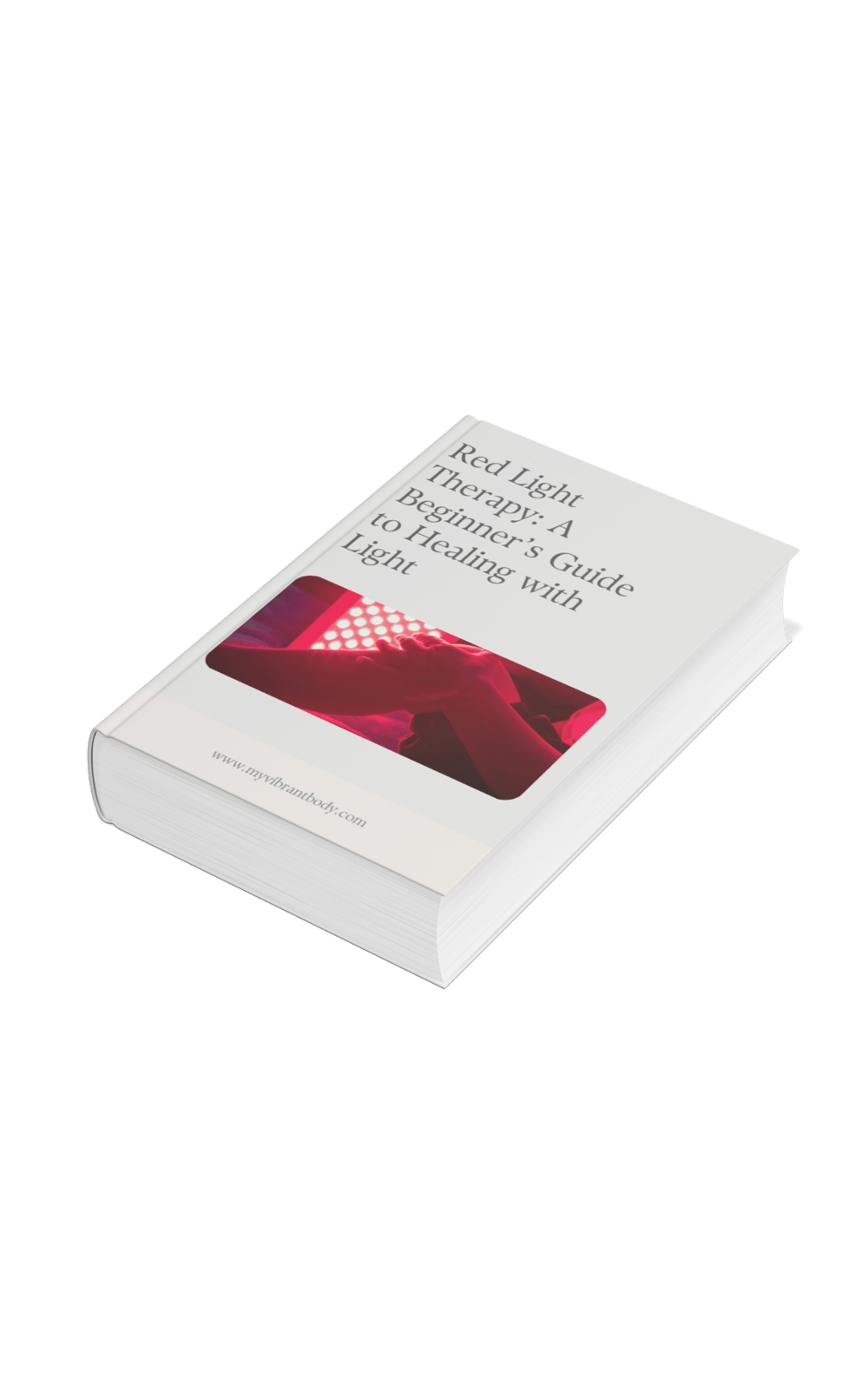
If you’re curious about trying red light therapy at home but aren’t sure where to begin, grab your free ebook --Red Light Therapy: A Beginner’s Guide to Healing With Light.
You’ll learn how to choose the right device, set up an effective routine, and avoid common mistakes that slow results.
Common Myths About Red Light Therapy
Despite growing popularity, a few misconceptions still circulate:
1. “It’s just a fad.” Red light therapy has decades of research behind it, and NASA’s early experiments laid the foundation for modern clinical use.
2. “It’s only for beauty treatments.” While RLT is loved for skin rejuvenation, its benefits extend far beyond cosmetics—helping with pain relief, recovery, and even mental clarity.
3. “You need expensive equipment.” High-quality at-home devices are now affordable and scientifically effective when used consistently.
Potential Side Effects and Safety
Red light therapy is considered extremely safe when used properly. Side effects are rare and usually mild, such as temporary redness or warmth on the skin.
There are a few simple precautions when using red light therapy. You should avoid looking directly into the light without eye protection. Session times should be limited according to manufacturer instructions.
Consult a healthcare provider if you have light sensitivity or are on medications that increase photosensitivity.
Compared to many conventional treatments, RLT’s non-invasive nature makes it one of the gentlest wellness tools available.
Combining Red Light Therapy With Other Wellness Habits
To maximize results, think of red light therapy as part of a holistic routine—not a replacement for good habits.
Pair it with:
- Adequate sleep to support cellular regeneration.
- Hydration for better circulation and detoxification.
- Nutrition rich in antioxidants to complement RLT’s anti-inflammatory effects.
- Movement and exercise to enhance blood flow and tissue oxygenation.
Used together, these habits create a synergy that boosts your body’s ability to heal and perform.
The Future of Light-Based Wellness
As technology evolves, light-based therapies are expanding beyond recovery and aesthetics. Early studies suggest benefits for brain health, hormonal balance, and even metabolic function.
With wearable LEDs, smart mirrors, and full-body panels on the horizon, the next generation of home biohacking could literally revolve around light.
What makes red light therapy so appealing for beginners is its simplicity: no pills, no needles, no complex routines - just light, energy, and consistency.
Final Thoughts: Healing Is in Your Hands
Whether you’re easing sore muscles, improving your skin, or simply seeking a daily energy boost, red light therapy offers a gentle, science-backed way to support your body from the inside out.
It’s an invitation to reconnect with one of nature’s oldest healing forces: light itself.
If you’re ready to take the next step, dive deeper into how to build your personal red light routine with my free guide:
It’s packed with simple, practical advice to help you start safely and confidently at home.